Walk past a row of shops or offices and enjoy your very own actions. You possibly make a decision, in under 3 seconds, which position feels welcoming, which looks "inexpensive," and which one you do not even register. That snap judgment is curb appeal at the workplace, and for a business residential property it is not vanity, it is revenue.
Commercial landscaping is one of one of the most reliable ways to develop that first impression. It frameworks your brand name from the road, comforts clients that you are professional and operational, and even pushes individuals to stay longer and spend more. Yet many entrepreneur treat the outside space as a second thought: a couple of hedges, some turf, possibly seasonal blossoms if somebody remembers.
Handled appropriately, landscape layout for an organization acts like a silent sales representative. It overviews traffic, highlights entrances, buffers sound, shields personal privacy, and visually separates you from the competition. That takes greater than growing whatever looks pretty at the baby room. It calls for the same calculated reasoning you would put on a storefront redesign or marketing campaign.
Below are insights and concrete concepts attracted from years of collaborating with retail centers, business workplaces, clinical structures, and mixed-use sites. The objective is not just a beautiful yard landscaping plan, but an industrial setting that draws in the right clients and sustains your procedures year round.
Why curb allure pays for itself
Landscaping is sometimes viewed purely as a cost, yet its economic influence is quantifiable. A well preserved, skillfully designed exterior can affect:
Customer foot traffic. Individuals gravitate to places that look cared for. A clean, green, plainly significant entry subtly signals safety and security, top quality, and focus to detail. For walkable districts, a welcoming frontage can be the difference between a passerby walking in or walking past.
Perceived value. Professional landscape construction, collaborated with signage and design, elevates the viewed worth of what you market. Premium medical methods, store stores, and dining establishments rely upon this impact. Patients and visitors consistently price facilities with mature, healthy and balanced trees and yards as more trustworthy and higher quality.
Employee contentment and efficiency. Team that communicate with the site everyday benefit from shaded seats, sights of growing, and outside break areas. Numerous center supervisors I have collaborated with noticed drops in grievances and turnover after purchasing both exterior and interior greenery.
Tenant destination and retention. For workplace parks and mixed-use facilities, visual appeal is part of the leasing pitch. Possible renters frequently visit numerous homes in someday. A site mounted by cohesive commercial landscape design, eye-catching at every approach, sticks out before any person checks out the lease terms.
These gains depend upon smart preparation and constant execution. Tossing plants at a bare frontage without a clear quick hardly ever gives a return.
Start with function, not flowers
The biggest difference between residential landscape design and commercial landscape design is the stress of usage. A shopping center entry, a busy clinic, or a dining establishment outdoor patio carries heavy foot website traffic, shipment, trash collection, and vehicle parking turn over. If you start with visual appeals and neglect this fact, upkeep prices blow up and the site looks tired within a year.
When I start a landscape design for a business, I spend even more time strolling and viewing than laying out. You can do a variation of that yourself prior to calling a designer.
Ask practical inquiries such as:
Where do individuals actually walk, not simply where the designer drew the paths? Casual "wish lines" can tell you where new paving or strengthened turf is needed.
Where do automobiles queue, reduce corners, or park illegally? Those habits shape which areas need stronger planting, bollards, or increased beds.
Where is the sun at the peak hours of client use? Shade, glare, and heat build-up need to dictate tree positioning, awning areas, and seating layout.
Where do distributions, garbage vehicles, and emergency situation automobiles enter? These solution areas require sturdy hardscape, shielded energies, and screening that still permits access.
Which views are worth mounting, and which ones must be hidden? Neighboring busy roads, commercial backyards, or surrounding rooftops may require aesthetic buffering with trees, bushes, or screens.
Only when you map these useful truths does it make good sense to layer in planting design, color, and branding details.
Designing an entrance that invites individuals in
Your main entryway carries even more weight than the remainder of the home integrated. If you only have allocate one significant upgrade, start there.
A strong entrance landscape completes three points: it makes the door apparent from a range, it slows down people just enough to orient them, and it sets an emotional tone that matches your brand.
Clear sightlines come first. No hedge or tree need to cover your signage or door. Remove or transfer anything that blocks visibility from crucial approach angles. This is where professional pruning and, often, total substitute of thick hedges deserves the discomfort.
Next, consider the technique as a narrative. For workplaces, that may be a basic, direct pathway edged with tidy planting, assisting the eye and the feet to reception. For friendliness and retail, a more layered experience can function: tiny trees for scale, seasonal color closer to the door, and reduced, clear planting that signals "open and risk-free."
One efficient technique is to make use of contrast near the entrance. If the history planting is primarily green and textural, present a band of blooming or wine red vegetation near the entrance limit. It imitates underlining on a page, pulling the eye specifically where you want it.
Lighting becomes part of entry landscaping, not a second thought. Reduced, secured fixtures that wash growing and illuminate paths allow clients really feel safe and secure at sunset and on dark winter season afternoons. I have seen businesses redeem the price of brand-new exterior lighting in a solitary winter season of prolonged foot website traffic and fewer journey hazards.
Parking great deals that feel like areas, not heat islands
Many industrial properties are controlled by auto parking. That does not need to be a liability. Done right, your parking area can indicate treatment, sustainability, and convenience prior to a person even leaves the car.
The most significant errors in parking lot landscape construction are also couple of trees, undersized planting islands, and inadequate irrigation. Little islands get driven over, compressed, and salted in winter. The plants struggle, die, and are changed with the most affordable readily available hedges, which repeat the cycle.
If you have the chance to reconfigure, aim for less however bigger planting areas. A 4 meter by 6 meter tree island with deep soil will hold a color tree for years. That exact same location sliced into three slim strips will never support anything yet worried shrubs.
Species selection matters. In a lot of climates, you desire trees that can manage mirrored heat, wind, and periodic drought. In retail centers I frequently specify mid sized color trees with wide covers as opposed to really high, rapid growing species that outstrip the scale of the whole lot. The objective is to break up pavement, cool down the surface areas, and give a comfy microclimate.
Pedestrian comfort in parking areas is usually disregarded. Marked walkways, somewhat increased or separated in structure, aid people move from vehicle to entrance without dodging web traffic. Nearby strips of low growing or groundcover lower glare and visually soften the journey.
Finally, consider exactly how water crosses the website. Incorporating bioswales, rainfall yards, or permeable paving into your business landscape design can decrease stormwater charges and flooding. These features read as eye-catching yard landscaping to your clients, but they are striving behind the scenes to take care of runoff.
Branding through landscape design
Some of the most reliable business landscapes I have actually seen usage plants and materials virtually like graphic layout elements. They choose a limited vocabulary, repeat it constantly, and straighten it firmly with the brand.
Color is the apparent beginning factor. If your logo design features details colors, there are normally plant mixes that can resemble or match them without feeling gimmicky. A bank with a blue logo can make use of silvery-blue foliage and white blossoms in vital locations. A wellness brand built around soft environment-friendlies and neutrals could prefer lawns, ferns, and fine-textured bushes over extreme flower color.
Form and structure are similarly effective. A technology business might lean into clean lines, clipped bushes, and basic, structural growings that match a minimalist building design. A family home entertainment venue can securely use even more abundant kinds: blooming trees, combined boundaries, and spirited planters at kid height.
Hardscape options additionally interact brand name position. All-natural stone, lumber seating, and crushed rock are at home with outdoor lifestyle or eco-conscious brands. Smooth concrete, corten steel, and straight lights feel right for modern-day, urban concepts.
The secret is restraint. Select a scheme of two or 3 primary materials and a core plant listing that fits your climate and maintenance capacity. After that repeat these aspects across the whole home: entryways, patio areas, parking, and signage areas. The rep is what makes a residential property feel natural instead of like a collection of unrelated landscaping episodes.
Balancing elegance with upkeep realities
Every landscape plan looks best theoretically. The genuine test comes three years later on. By that point, you know whether a person truthfully made up maintenance, or just turned over a wish list.
From experience, the most usual disconnects are:
Plant thickness. Developers in some cases draw plants at mature size but specify amounts for an instantaneous full appearance. The result is congestion within 2 seasons and enhanced trimming costs.
Species that deal with the site. High water plants in low watering locations, color lovers placed in full sun, or fragile samplings along a filling dock will either fall short or demand out of proportion care.
Complex seasonal bed linen plans. Those remarkable flower screens at deluxe resorts rely upon competent crews and big budget plans. A smaller sized residential or commercial property trying the very same on a slim maintenance budget will promptly look patchy and inconsistent.
If you take care of a residential or commercial property yourself or supervise facility management, insist on a clear maintenance strategy before approving a brand-new landscape building and construction project. That strategy ought to detail what tasks are once a week, month-to-month, seasonal, and yearly, and price quote realistic hours or contract cost.
This is likewise where loaning from household landscaping can be remarkably useful. Many home owners request reduced maintenance yards, and the plant combinations and approaches that meet that brief translate well to commercial edges and yards. Hedges that need pruning annually, perennials that continue for several years without replanting, and groundcovers that outcompete weeds all minimize operational headaches.
At the same time, commercial sites usually call for a higher level of polish along essential sightlines. A practical strategy is to concentrate maintenance intensive growing in a few showcase areas such as the main entry and attribute courtyard. Second areas can then lean on robust, less complex growing that still links right into the general design however requires less attention.
Creating outside rooms for clients and staff
If your residential property has any useful exterior room beyond parking and access, it should have an intentional program. Outdoor areas, even small ones, can considerably boost the regarded value of your business.
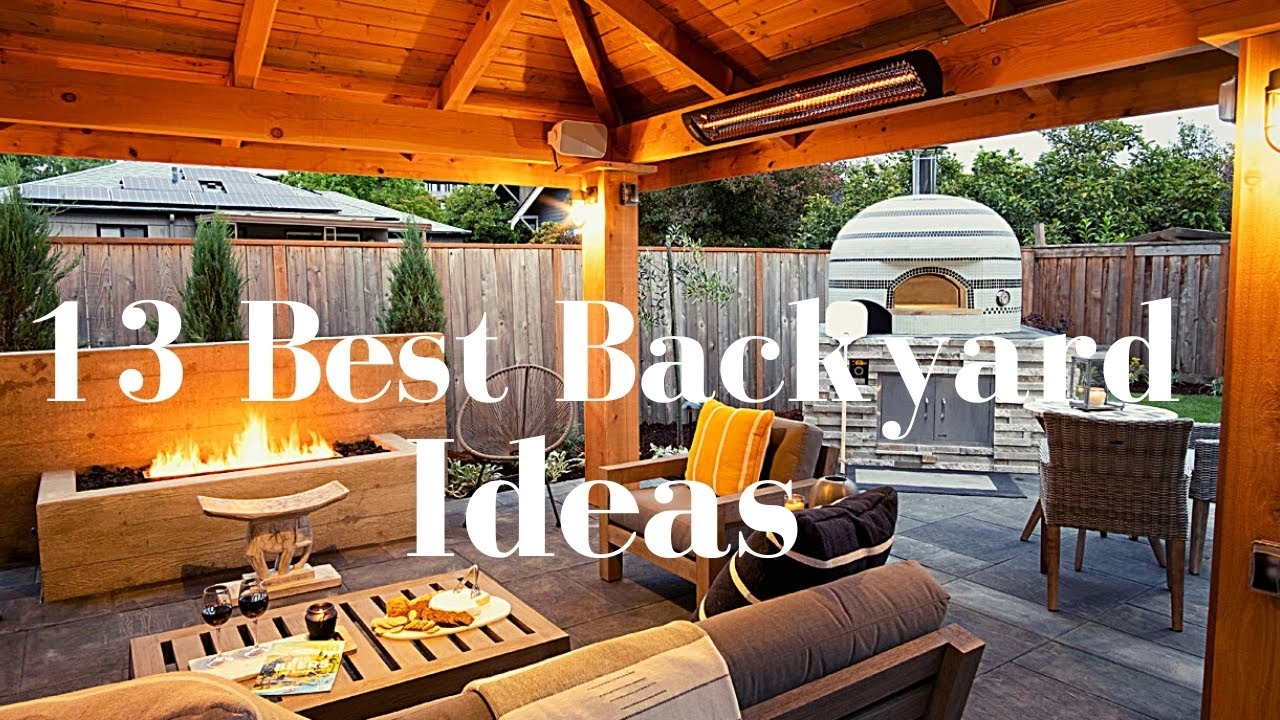
Restaurants and coffee shops currently recognize this effect. A 40 square meter patio area with planters, string lights, and partial overhead cover can really feel a lot more special than a bigger interior dining room. The same concept applies to office complex, facilities, and retail.
When planning outdoor areas, beginning by specifying function. Is the room primarily for staff breaks, informal client meetings, waiting customers, or area occasions? Each usage has different needs in regards to seats, color, acoustics, and privacy.
For team break locations, some level of separation from customer areas helps individuals really disconnect. Straightforward options like high planters, trellises with climbers, or a minor modification in quality can produce psychological boundaries without developing wall surfaces. Resilient, comfy seats and at the very least some all weather cover make the room functional beyond best summertime days.
For customer oriented rooms, visibility is part of the allure. People appreciate seeing and being seen, within limitations. Reduced growing, open railings, and views to the road let the area feel vibrant, while boundary trees or taller shrubs filter noise and provide a sense of enclosure.
Pay focus to microclimate. In lots of cities, unshaded, wind brushed up terraces sit vacant much of the year. Incorporating trees, pergolas, and positioning methods can prolong useful hours dramatically. On a medical project in a windy seaside community, we utilized a combination of evergreen hedging and a staggered steel screen to produce protected seating pockets that personnel in fact utilize year round.
Lighting once again plays a twin duty in safety and ambiance. Soft, indirect lighting that forages wall surfaces, highlights planting, and marks paths will make your outside rooms really feel willful rather than leftover.
Seasonal strategy and all year appeal
One of the rough facts of yard landscaping in numerous environments is seasonality. A company landscape that only looks great from April to June is refraining from doing its task. Thoughtful plant selection and structural aspects can maintain your website appealing via numerous seasons.
Think in layers. Evergreen framework initially: trees, hedges, and bushes that retain kind and foliage provide the bones of the composition in winter months. Next off, add deciduous types with strong branching form or interesting bark that look good without fallen leaves. Finally, weave in seasonal color with perennials, yards, and restricted annuals.
In chillier regions, decorative turfs and seed heads can hold frost and outdoor hardscaping services snow wonderfully, offering structure when flowers are gone. Lots of services now purposely postpone winter season lowering of perennials to keep that passion up until early spring.
If your clients is particularly conscious seasonal mood, such as senior living areas or friendliness, you can validate a lot more extensive seasonal displays. Also then, support them with perennials and bushes to ensure that the website never looks bare in between rotations.
Holiday lights and decoration need to tie into, instead of fight, the underlying design. Attachment points for momentary lights, power accessibility, and long lasting planters for wintertime setups are simple to incorporate throughout landscape building and much more challenging to include later.
Accessibility, safety and security, and conformity woven right into design
Landscaping is not simply visual; it directly influences safety and security and access. Overlooking guidelines could conserve cash in the short term but can develop responsibilities and retrofitting expenses later.
Path widths, slopes, and surface textures must suit individuals utilizing wheelchairs, pedestrians, strollers, and movement aids. That suggests reducing sudden level changes, guaranteeing sufficient passing room, and making use of non-slip surfaces. Thoughtful planting prevents trespassing onto paths, which can be an issue when quickly expanding shrubs are planted too close.
Visibility at driveways and junctions is important. Trees and tall bushes need to be positioned so they do not develop blind spots for chauffeurs and pedestrians. Most jurisdictions have view triangular needs at corners; your landscape developer should account for those and pick low or transparent planting in those zones.
Lighting and planting interact in refined methods. Thick planting around improperly put lights can develop swimming pools of darkness that really feel unsafe. On the various other hand, split reduced planting around pathway lights can protect against glow and aid disperse light extra equally across the ground plane.
Water features, while appealing, need cautious consideration. Mirroring swimming pools, rills, and water fountains can use cooling and ambiance however have to be developed with slip resistance, risk-free midsts, and clear edges. In some climates, water features additionally activate added maintenance connected to algae, freezing, and mechanical wear.
When security and accessibility are incorporated from the start, they enhance instead of compromise the appearances. Most of the most classy industrial landscapes I understand are likewise the very best performing in terms of compliance and danger management.
Coordinating with building upgrades and signage
Landscaping seldom occurs alone. The most effective outcomes come when outside design is collaborated with façade upgrades, signage substitute, and even interior renovations.
Signage particularly deserves focus. Too many residential properties treat indications and plants as competing components. You can rather develop a pecking order: main monument or pylon indicators mounted by regular growing, second tenant indicators integrated into building frontages, and small wayfinding discreetly supported by groundcover or planters.
Whenever a structure repaint or reclad is planned, entail your landscape specialist early. Changes in wall shade, glazing, and entryway arrangement can considerably alter how planting reads. A dark exterior may require lighter, much more flower planting to stay clear of sensation heavy, while a light exterior can sustain stronger vegetation contrasts.
Utility locations such as transformer pads, a/c systems, and waste enclosures are usually the last items to be attended to and aesthetically one of the most rough. Screening these with a mix of strong components and growing can tidy up the overall perception. Be sure to respect access clearances and ventilation demands; I have actually seen well intentioned hedges killed due to the fact that they blocked air flow or stopped upkeep teams from getting to equipment.
Practical actions for preparing your own upgrade
For business owners or residential property supervisors ready to spend, it assists to approach the process in a structured method instead of responding to specific issues as they emerge. A basic framework looks like this:
Audit the present state. Walk the site at various times of day, including night. Take photos from customer and vehicle driver viewpoints. Note recurring problems: dead plants, confusing entrances, sloppy places, heat buildup, or locations customers avoid.
Define objectives and restraints. Make clear whether your concern is attracting more walk-in web traffic, boosting the experience for existing consumers, supporting greater lease, or lowering maintenance expenses. Be sincere regarding budget plan, phasing opportunities, and any kind of regulative or lease constraints.
Engage expert aid at the right level. For a tiny residential property, this might indicate a landscape professional with layout capacity. For bigger or extra complex sites, a skilled landscape architect or developer that coordinates with engineers and architects is frequently worth the charge. Request examples of commercial landscape design jobs comparable in scale and use.
Phase smartly. You do not need to do everything at the same time. Start with the greatest influence zones: main entry, signs, and the most noticeable part of the parking lot. Strategy utilities, watering, and architectural planting to make sure that future stages can tie in without rework.
Commit to upkeep. Construct a partnership with an upkeep company who recognizes commercial websites and wants to adjust their program as the landscape grows. Testimonial with them at the very least every year, ideally with your designer existing when possible, to fine-tune growings, prune strategically, and plan replacements.
When you treat your exterior atmosphere as component of your core company property rather than as decor, every decision comes to be easier. You can review choices with the lens of customer experience, brand positioning, and operational efficiency.
Thoughtful, well performed landscape style does greater than make a residential or commercial property look excellent. It silently informs your clients, occupants, and team that you appreciate information, convenience, and long-term worth. That message begins at the aesthetic, long before anyone steps with your door.